

Technical Research Overview: Peptide Molecular Mechanisms
PepGen Lab provides high-purity reference materials for use in controlled laboratory, analytical, and institutional research. The following information provides a technical overview of how peptide compounds are studied in experimental settings.
| Research Area | Technical Focus | Laboratory Context |
|---|---|---|
| Molecular Signaling | Study of peptide-receptor binding and intracellular signaling cascades. | Evaluation of how peptide sequences interact with cellular pathways in vitro. |
| Experimental Models | Assessment of tissue regeneration and vascular integrity markers. | Analysis of compound behavior in controlled preclinical models. |
| Systems Biology | Interaction of peptides with metabolic pathways and cellular networks. | Use of biomarker data to observe molecular responses under laboratory conditions. |

Technical Research Profile: AOD-9604 (Analytical Reference)
PepGen Lab provides AOD-9604 strictly as an analytical reference standard for use in controlled laboratory research. This synthetic peptide represents a fragment of the growth hormone sequence (amino acids 176–191) and is utilized in molecular studies regarding metabolic signaling pathways.
| Technical Parameter | Research Focus | Laboratory Context |
|---|---|---|
| Molecular Structure | C-terminal fragment (176–191). | Standardized for in vitro analysis of peptide sequence interactions. |
| Pathway Interaction | Adipocyte signaling mechanisms. | Investigated in isolated cell culture models for receptor modulation. |
| Analytical Utility | Reference compound for lipolysis pathway markers. | Utilized as a control in biochemical research studies. |

Regulatory & Compliance Notice
All compounds supplied by PepGen Lab are strictly for research use only. These materials are not approved for human consumption, therapeutic use, or diagnostic procedures. Any references to historical study data are provided solely for academic and analytical context and do not constitute medical guidance or performance claims.
Mechanisms in Experimental Models
Contemporary molecular research investigates how peptides function as signaling molecules in isolated eukaryotic cell environments. These studies analyze specific pathways—such as cAMP–PKA, MAPK, and PI3K–Akt—to observe how peptide-receptor interactions influence cellular gene expression and signaling cascades in vitro. Additionally, laboratory research examines signal peptides (typically 16–30 amino acids) and their role in directing protein transport through pathways like the Sec61 translocon to study membrane insertion and extracellular release mechanisms.
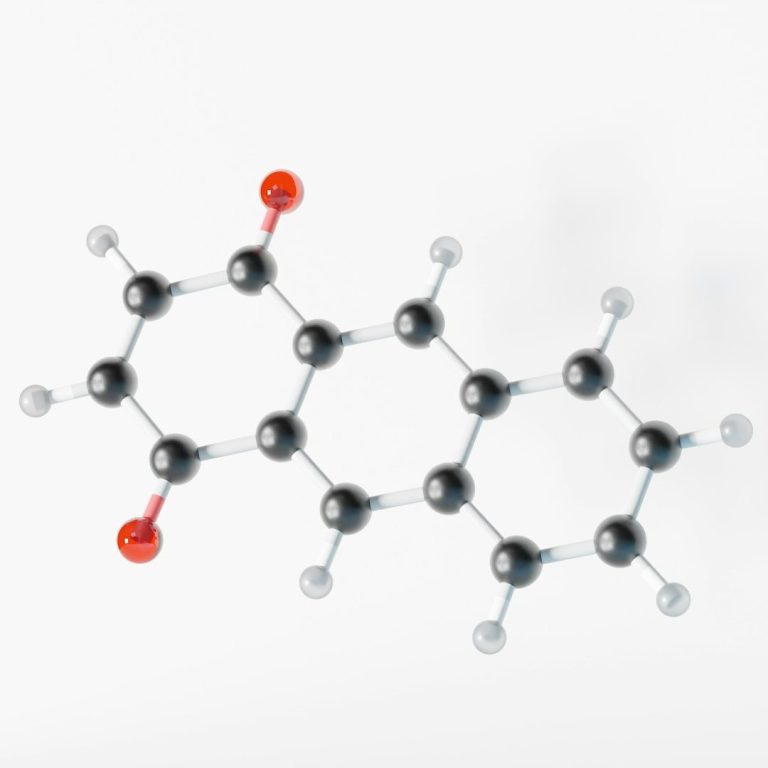
AOD-9604: Analytical Reference Standard
- Purity Profile: Verified ≥ 98% purity via HPLC and Mass Spectrometry.
- Scientific Application: High-fidelity peptide fragment used in experimental metabolic signaling research and adipocyte pathway mapping.
- Quality Assurance: Every batch is accompanied by comprehensive third-party testing documentation, ensuring the reproducibility required for institutional-grade studies.
Why Researchers Choose PepGen Lab
- Analytical Rigor: We provide full analytical transparency so you can maintain the integrity of your experimental data.
- Batch Consistency: We work with reputable manufacturers to ensure every shipment meets stringent quality systems, preventing the variations often found in lower-grade supplies.
- Institutional Reliability: We focus on the documentation and technical performance of our compounds, allowing the research to speak for itself.
Product Specifications
| Feature | Specification |
|---|---|
| CAS Number | 221231-10-3 |
| Purity Grade | Analytical Research Grade |
| Verification | HPLC, MS, and NMR |
| Documentation | Full Certificate of Analysis (COA) included |

Research Overview: Peptide Molecular Mechanisms
PepGen Lab provides high-purity reference materials for use in controlled laboratory, analytical, and institutional research. The following information provides a technical overview of how peptide compounds are studied in experimental settings.
| Research Compound | Experimental Focus | Laboratory Context |
|---|---|---|
| Epitalon | Telomerase activity and genomic stability markers. | Investigated for effects on cellular cycle regulation in vitro. |
| GHK-Cu | Copper metabolism and cellular signaling pathways. | Studied for effects on matrix regeneration in isolated cell cultures. |
| GHRPs | Endogenous peptide secretion and metabolic signaling. | Examined in experimental settings for baseline cellular homeostasis. |
| Melanotan II | Pigmentation pathways and cellular signaling. | Studied in laboratory models for metabolic and signaling efficacy. |
Regulatory & Compliance Notice
All compounds supplied by PepGen Lab are strictly for research use only. These materials are not approved for human consumption, therapeutic use, or diagnostic procedures. Any references to preclinical or in vitro research models are provided solely for academic and analytical context and do not constitute medical guidance or performance claims.

Technical Research Overview: Peptide Molecular Signaling
PepGen Lab provides high-purity reference materials for use in controlled laboratory and institutional research. The following information provides a technical overview of how peptide compounds are investigated in experimental settings.
| Research Compound | Experimental Focus | Laboratory Context |
|---|---|---|
| Epitalon | Pineal activity markers and melatonin regulation. | Investigated for effects on circadian cycle modulation in vitro. |
| GHK-Cu | Gene expression associated with DNA repair markers. | Studied for potential interactions with cellular regeneration pathways. |
| BPC-157 / KPV / TB-4 | Angiogenic and inflammatory cytokine modulation. | Examined for effects on oxidative stress response in controlled models. |

Research Overview: BPC-157 Molecular Studies
This documentation provides a summary of academic research regarding the synthetic peptide BPC-157. This information is intended strictly for institutional, laboratory, and academic research reference.
Technical Mechanisms in Experimental Models
- Gastrointestinal Research: Studies examine the interaction of the BPC-157 sequence with markers of mucosal integrity in isolated tissue environments.
- Angiogenic Signaling: Research focuses on the modulation of vascular endothelial growth factors in controlled preclinical models.
- Cytokine Modulation: Experimental data investigates the peptide's role in influencing inflammatory pathway markers in vitro.
Analytical Research Summary
| Research Focus | Experimental Objective |
|---|---|
| Molecular Stability | Evaluating the peptide's structural integrity within simulated acidic environments. |
| Cellular Signaling | Documenting pathway activation (e.g., PI3K-Akt) in laboratory cell lines. |
| Systemic Integrity | Analyzing biomarkers related to oxidative stress reduction in controlled study groups. |

Technical Research Overview: Peptide Signaling Protocols
PepGen Lab provides high-purity reference materials for use in controlled laboratory and institutional research. The following information provides a technical overview of how peptide compounds are studied in experimental settings.
| Technical Focus | Experimental Parameter | Laboratory Context |
|---|---|---|
| Signal Peptides | Extracellular matrix component markers. | Evaluated for interactions with structural signaling pathways in vitro. |
| Neuromodulating Peptides | Expression pathway markers. | Studied in controlled models for interaction with specific signaling cascades. |
| Carrier Peptides | Trace element delivery and coordination. | Examined for binding efficiency and molecular stability in laboratory models. |

Disclaimer
Peptide Products sold by Pepgen Lab are for laboratory research use only and are not intended for human or animal consumption, medical, cosmetic, or household purposes. No products are drugs, supplements, or foods as defined by U.S. law.
Information about Peptides on this website is for educational purposes and does not constitute medical advice. Purchasers are responsible for compliance with applicable laws.
Our Peptide products are not evaluated by the FDA and are not intended to diagnose, treat, cure, or prevent any disease.
By purchasing our Peptides, you confirm professional qualification and accept responsibility for proper use, storage, and handling. Misuse may result in ban or notification to authorities.